Joint pain, sports injuries, and mobility problems can affect nearly every part of daily life, from walking and climbing stairs to working, exercising, and enjoying time with family. Finding the right medical professional is an important step toward understanding these conditions and exploring suitable treatment options. For patients searching for Dr lao orthopedic services, Dr. Lawrence Lao offers orthopedic care focused on hip, knee, and shoulder reconstruction, sports surgery, arthroscopy, and anterior cruciate ligament (ACL) reconstruction.
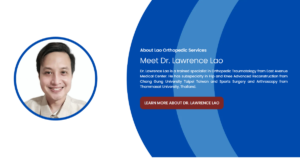
Based on his professional background, Dr. Lawrence Lao, MD, has training in Orthopedic Traumatology from East Avenue Medical Center, subspecialty training in Hip and Knee Advanced Reconstruction from Chang Gung University in Taipei, Taiwan, and additional training in Sports Surgery and Arthroscopy from Thammasat University, Thailand. His practice focuses on addressing musculoskeletal conditions that affect joint function, movement, and physical performance.
Patients from Naga City, Camarines Sur, Legazpi, and nearby communities across Bicol can benefit from learning about orthopedic treatment options before seeking a consultation. Understanding the conditions an orthopedic surgeon evaluates, the procedures that may be recommended, and the importance of rehabilitation can help patients make informed decisions about their care.
Who Is Dr. Lawrence Lao?
Dr. Lawrence Lao, MD, is an orthopedic surgeon with 16 years of experience in medicine, according to the clinic’s supplied professional profile. His training combines local medical experience with international subspecialty education in joint reconstruction and sports-related procedures.
Patients searching for Dr lao orthopedic information often want to understand a physician’s background before arranging an appointment. Learning about a doctor’s training and areas of practice can help patients determine whether a consultation may be appropriate for their concerns.
Dr. Lao completed training in Orthopedic Traumatology at East Avenue Medical Center. Orthopedic traumatology focuses on injuries affecting bones, joints, and related structures, including injuries resulting from accidents and other physical trauma. This background relates to the assessment and treatment planning required for various musculoskeletal problems.
His subspecialty training in Hip and Knee Advanced Reconstruction at Chang Gung University in Taipei, Taiwan, provides additional professional preparation in the field of hip and knee joint reconstruction. These procedures may be considered when joint damage, degeneration, or certain injuries significantly affect movement and daily activities.
Dr. Lao also pursued training in Sports Surgery and Arthroscopy at Thammasat University in Thailand. Sports surgery addresses selected injuries associated with athletic activity and physical movement, while arthroscopy is a surgical technique used to examine or treat certain joint conditions.
Together, these areas of training reflect his stated clinical focus on joint reconstruction, sports-related injuries, and procedures intended to address specific orthopedic problems. Patients considering Dr lao orthopedic services can use this information as a starting point when discussing their symptoms and treatment goals during a consultation.
What Conditions Can an Orthopedic Surgeon Treat?
Orthopedic care focuses on conditions affecting the musculoskeletal system, which includes bones, joints, ligaments, tendons, muscles, and related structures. These body parts work together to support movement, balance, strength, and stability.
Problems involving the musculoskeletal system can develop gradually or occur suddenly. Age-related joint changes, repetitive movements, athletic activities, workplace demands, and accidental injuries can all contribute to pain or reduced mobility.
Patients looking into Dr lao orthopedic care may be experiencing one or more of the following concerns:
- Persistent hip, knee, or shoulder pain
- Joint stiffness or difficulty moving normally
- Knee instability following a sports injury
- Ligament tears and other soft tissue injuries
- Pain or swelling after an accident
- Difficulty walking, bending, lifting, or climbing stairs
- Joint damage that interferes with work or recreation
- Sports injuries that require specialized assessment
An orthopedic consultation helps identify possible causes and determine which examinations or diagnostic tests may be necessary. Depending on the findings, treatment may involve activity modification, medication, physical therapy, rehabilitation, further testing, or surgery.
Not every orthopedic problem requires an operation. A suitable treatment plan depends on the diagnosis, symptom severity, the patient’s medical history, physical demands, and personal goals.
Hip and Knee Reconstruction for Better Mobility
The hips and knees support much of the body’s weight and play an essential role in walking, standing, sitting, and other everyday activities. When these joints become painful or damaged, even simple movements may become uncomfortable.
Hip and knee reconstruction is one of the specialized areas associated with Dr. Lawrence Lao’s professional training. Patients searching for Dr lao orthopedic services may consider an orthopedic evaluation when joint symptoms persist or begin to interfere with normal activities.
Common Signs of Hip and Knee Problems
Hip and knee conditions can produce different symptoms depending on the underlying cause. Some patients experience gradual discomfort, while others develop pain after an injury.
Common warning signs include:
- Pain during walking, standing, or climbing stairs
- Stiffness after sitting or resting
- Swelling around the affected joint
- Difficulty bending or straightening the knee
- Reduced hip movement
- Discomfort when rising from a chair
- A noticeable decline in mobility or activity tolerance
These symptoms do not automatically mean that reconstruction is necessary. An orthopedic specialist can assess the affected joint and determine whether the problem may respond to nonsurgical care or requires further investigation.
When Is Hip or Knee Reconstruction Considered?
Joint reconstruction may be considered when structural damage, advanced degeneration, or certain injuries significantly affect joint function. The appropriate procedure depends on the location and extent of the problem.
Before recommending surgery, a physician may review the patient’s symptoms, perform a physical examination, and request imaging studies when appropriate. Previous treatments and the patient’s overall health also help guide clinical decisions.
Some patients benefit from physical therapy, medication, weight management when relevant, or changes to activities that aggravate their symptoms. Others may require surgical treatment if the damage is substantial and conservative approaches do not provide adequate relief.
Dr. Lao’s subspecialty training in Hip and Knee Advanced Reconstruction is relevant to patients seeking professional guidance for these concerns. Anyone researching Dr lao orthopedic options should discuss the potential benefits, limitations, risks, and expected rehabilitation requirements of any recommended procedure.
Shoulder Reconstruction and Treatment for Shoulder Pain
The shoulder allows the arm to move through a wide range of positions. This flexibility supports everyday tasks such as dressing, reaching overhead, lifting objects, and participating in sports. However, the structures responsible for shoulder movement can become injured or damaged.
Shoulder pain may develop after a fall, an accident, repetitive overhead activity, or gradual changes affecting the joint and surrounding tissues. Some conditions cause discomfort only during certain movements, while others interfere with sleep and routine activities.
Patients searching for Dr lao orthopedic services may consider an orthopedic assessment when shoulder pain persists, movement becomes restricted, or weakness begins to affect daily function.
Symptoms That May Require Orthopedic Evaluation
Possible signs of a shoulder problem include:
- Pain when lifting or rotating the arm
- Difficulty reaching overhead
- Stiffness that limits movement
- Weakness during everyday activities
- Discomfort when lying on the affected shoulder
- Symptoms that continue after an injury
The source of shoulder pain cannot always be identified from symptoms alone. An examination helps determine whether additional tests are needed and which treatment approaches may be suitable.
Understanding Shoulder Reconstruction
Shoulder reconstruction and other surgical procedures may be considered for selected injuries or structural problems. The exact approach depends on the damaged tissues, joint condition, functional limitations, and overall treatment goals.
Nonsurgical approaches may include activity modification, medication, and supervised rehabilitation. When surgery is appropriate, patients should understand the proposed procedure, possible complications, recovery expectations, and follow-up requirements.
Dr. Lao’s stated orthopedic practice includes shoulder reconstruction. Patients exploring Dr lao orthopedic care can ask whether their symptoms fall within this area of practice and what diagnostic steps may be recommended.
Sports Surgery and Arthroscopy for Joint Injuries
Physical activity supports general health, strength, and mobility, but sports can sometimes cause injuries that affect the joints, ligaments, and surrounding tissues. Sudden changes of direction, falls, collisions, and repetitive movements may contribute to these problems.
Sports surgery focuses on selected injuries that affect physical performance and joint function. Dr. Lawrence Lao’s training in Sports Surgery and Arthroscopy relates to the evaluation and treatment of appropriate sports-related conditions.
For athletes and active individuals researching Dr lao orthopedic services, understanding the available treatment options is particularly important when an injury interferes with training, competition, work, or recreational activity.
Common Sports Injuries
Sports-related orthopedic concerns may include:
- ACL tears and other ligament injuries
- Knee instability following sudden twisting movements
- Shoulder injuries associated with throwing or overhead activities
- Damage involving selected joint tissues
- Persistent pain or swelling after physical activity
- Restricted movement following an accident during sports
The severity of an injury can vary considerably. Some conditions improve with rest and rehabilitation, while others require further assessment and possibly surgery.
A proper diagnosis helps establish the extent of the damage and identify the most appropriate course of treatment.
What Is Arthroscopy?
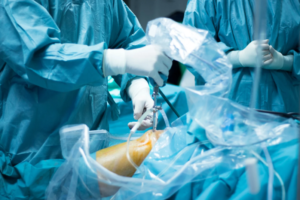
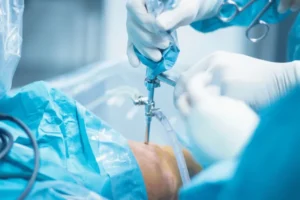
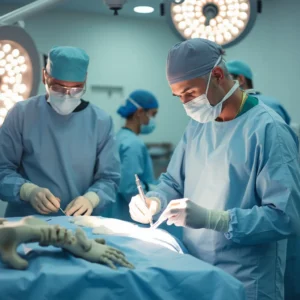
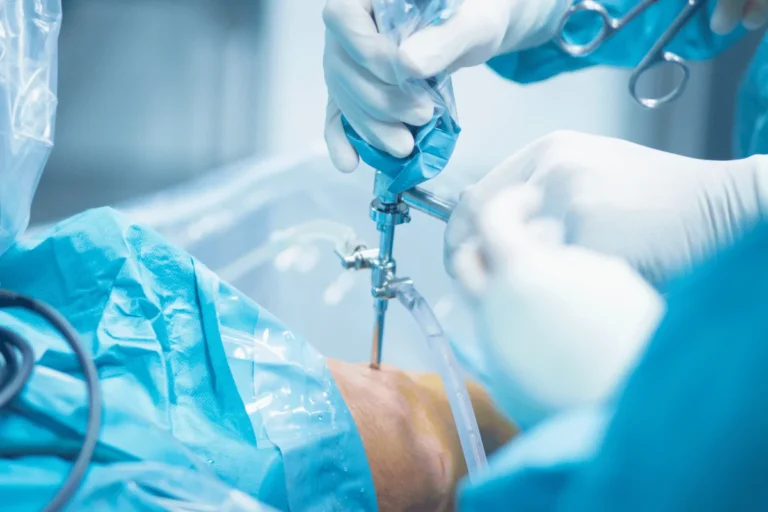
Arthroscopy is a surgical technique that allows a surgeon to examine the inside of a joint using a small camera and specialized instruments. It is used for selected diagnostic and treatment purposes involving joints such as the knee and shoulder.
Compared with some traditional open procedures, arthroscopy may require smaller incisions. However, the technique is not suitable for every joint condition, and the benefits depend on the specific problem being treated.
Recovery also varies according to the procedure, the severity of the injury, and the patient’s individual circumstances. Some patients require a structured rehabilitation program to restore movement, strength, and stability.
Patients considering Dr lao orthopedic services for a sports injury should ask whether arthroscopy is appropriate for their diagnosis and what recovery may involve.
Returning to Sports After Treatment
Returning to physical activity requires more than simply waiting for pain to disappear. The injured area must regain sufficient strength, movement, and stability to support the demands of the chosen activity.
Rehabilitation may involve guided exercises, gradual increases in activity, and follow-up assessments. The appropriate timeline varies by injury and treatment method.
Patients should follow their physician’s instructions and obtain medical clearance before resuming strenuous exercise or competitive sports when advised.
ACL Reconstruction for Torn Knee Ligaments
The anterior cruciate ligament, commonly called the ACL, is one of the major ligaments that help stabilize the knee. It plays an important role during pivoting, jumping, sudden stops, and changes of direction.
An ACL injury can occur during sports, accidental falls, road incidents, or other events that place excessive stress on the knee. Some injuries involve a partial tear, while others result in a complete rupture. Additional damage to cartilage, menisci, or other ligaments may also occur.
ACL reconstruction is among the services identified in the Lao Orthopedic Clinic profile. People searching for Dr lao orthopedic information about knee ligament injuries can benefit from understanding how these injuries are evaluated and treated.
Common Symptoms of an ACL Injury
An ACL tear may cause several symptoms, including:
- A popping sensation when the injury occurs
- Swelling that develops soon after the incident
- Pain when standing or moving the knee
- A feeling that the knee may give way
- Difficulty changing direction or walking confidently
- Reduced knee movement
These symptoms may also occur with other knee injuries. A clinical examination is necessary to assess knee stability and determine whether additional testing is needed.
Anyone experiencing severe pain, major swelling, obvious deformity, or an inability to bear weight should seek prompt medical assessment.
When Might ACL Reconstruction Be Recommended?
ACL reconstruction may be considered when a torn ligament causes significant instability or interferes with the patient’s desired activities. The decision depends on factors such as the extent of the injury, associated damage, activity level, knee function, and overall health.
Some patients can manage selected ACL injuries with rehabilitation and activity modification. Others, particularly those with persistent instability or substantial functional demands, may benefit from surgical reconstruction.
During an orthopedic consultation, the physician may assess the injury, review diagnostic findings, and discuss available options. Patients should have an opportunity to understand the expected benefits, possible risks, rehabilitation requirements, and alternatives to surgery.
Why Rehabilitation Matters After ACL Reconstruction
Surgery is only one part of ACL injury management. Rehabilitation helps patients work toward restoring knee movement, muscle strength, balance, and functional stability.
A rehabilitation plan may progress through several stages, beginning with appropriate movement and muscle activation before advancing to more demanding exercises. The schedule depends on the procedure, associated injuries, and individual progress.
Returning to sports too early may increase the risk of further injury. Patients should follow their rehabilitation plan and rely on professional assessment when determining readiness for more strenuous activity.
For individuals researching Dr lao orthopedic services for ACL injuries, understanding the role of rehabilitation can help set realistic expectations about the recovery process.
Orthopedic Trauma and Fracture Assessment
Orthopedic trauma refers to injuries affecting bones, joints, and related structures following events such as road accidents, falls, workplace incidents, or sports collisions. These injuries range from relatively minor problems to emergencies that require immediate treatment.
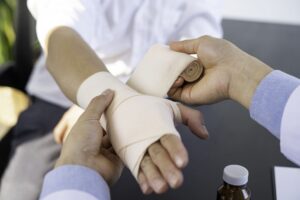
A fracture occurs when a bone breaks. Depending on the injury, treatment may involve immobilization, a cast or brace, surgical stabilization, or other measures designed to support healing.
Patients looking for Dr lao orthopedic services after an injury should understand when to seek routine assessment and when emergency care is necessary.
Warning Signs After an Accident
Symptoms that warrant prompt medical attention may include:
- Severe or worsening pain
- Significant swelling or bruising
- An obvious change in the shape of a limb
- Difficulty moving or bearing weight
- An open wound near a suspected fracture
- Numbness, unusual paleness, or coldness affecting the injured limb
Suspected major fractures, open fractures, severe deformities, or signs of impaired circulation require emergency assessment. Patients should avoid attempting to straighten a deformed limb or force movement through severe pain.
After the initial evaluation, the treatment plan depends on the injury’s location, stability, severity, and effect on surrounding tissues. Follow-up care may be needed to monitor healing and restore function.
What to Expect During an Orthopedic Consultation With Dr. Lawrence Lao
Seeking an orthopedic consultation can help patients understand the cause of their symptoms and identify appropriate next steps. Preparing for an appointment may also make it easier to discuss concerns and review available treatment options.
For people considering Dr lao orthopedic services, the following steps offer a general idea of what an orthopedic assessment may involve.
1. Discussion of Symptoms
The consultation may begin with questions about when the pain or injury started, where the symptoms occur, and which activities make them worse. The doctor may also ask whether the problem affects walking, sleeping, work, exercise, or other routine activities.
2. Review of Medical History
Previous injuries, surgeries, medications, medical conditions, and earlier treatments may be relevant to the assessment. Patients should provide accurate information to help the physician evaluate their situation.
3. Physical Examination
The examination may involve assessing joint movement, tenderness, swelling, strength, and stability. The specific tests performed depend on the affected body part and the symptoms reported.
4. Diagnostic Testing When Needed
Imaging or other diagnostic tests may be requested to examine bones, joints, ligaments, or surrounding tissues. Not every patient needs the same tests, and recommendations depend on the clinical findings.
5. Discussion of Treatment Options
After reviewing the available information, the physician may discuss suitable treatment approaches. These may include medication, physical therapy, activity modification, additional testing, or surgery when indicated.
6. Follow-Up and Recovery Planning
Some conditions require further appointments to monitor symptoms, assess progress, or adjust treatment. Patients receiving surgical care may also need a rehabilitation program.
Before visiting the clinic, patients can prepare a list of questions, bring previous test results, and ask about appointment arrangements. This preparation can help make a consultation more productive.
Why Consider Dr. Lao for Orthopedic Care in Naga City?
Choosing an orthopedic specialist involves considering professional training, clinical focus, the type of condition being treated, and access to appropriate follow-up care.
Dr. Lawrence Lao’s supplied professional profile identifies several relevant aspects of his background for patients researching Dr lao orthopedic services.
Medical experience: The clinic profile reports 16 years of experience in medicine. This provides useful background for prospective patients evaluating his professional history.
Orthopedic Traumatology training: His training at East Avenue Medical Center relates to the assessment and management of musculoskeletal injuries.
Hip and knee reconstruction training: His subspecialty training at Chang Gung University in Taipei, Taiwan, is focused on advanced hip and knee reconstruction.
Sports Surgery and Arthroscopy training: His additional training at Thammasat University in Thailand relates to surgical approaches for selected sports injuries and joint conditions.
Focused orthopedic services: The clinic identifies hip, knee, and shoulder reconstruction, sports surgery, arthroscopy, and ACL reconstruction among its service areas.
Patients from Naga City, Camarines Sur, Legazpi, and surrounding Bicol communities can use this information when considering whether to seek a consultation. Before arranging an appointment, prospective patients should confirm the clinic’s current address, consultation schedule, availability, and any requirements for diagnostic records.
An informed decision should also consider the specific condition, treatment options, possible risks, expected recovery, and the patient’s individual needs.
When Should You See an Orthopedic Specialist?
Not every episode of joint discomfort requires surgery or specialist treatment. However, recurring symptoms, reduced mobility, and injuries that do not improve may warrant further evaluation.
Patients searching for Dr lao orthopedic care may consider arranging an assessment when they experience:
- Joint pain that persists or repeatedly returns
- Swelling or stiffness that limits movement
- Knee instability or repeated episodes of giving way
- Shoulder pain that interferes with daily tasks
- Difficulty walking or climbing stairs
- Sports injuries that fail to improve
- Reduced strength or range of motion after an injury
- Discomfort that continues despite initial treatment
Early evaluation can help identify the cause of symptoms and establish whether further testing or treatment is needed. It may also help patients understand which activities to avoid while an injury heals.
Seek emergency care for severe trauma, suspected major fractures, open injuries, obvious deformity, or a limb that becomes cold, pale, or numb. These signs should not be left for a routine orthopedic appointment.
Schedule an Orthopedic Consultation With Dr. Lawrence Lao
Joint pain, ligament injuries, and mobility problems can interfere with work, exercise, and everyday routines. Understanding the cause of these concerns is an important step toward selecting suitable treatment and protecting long-term joint function.
For patients researching Dr lao orthopedic services, Dr. Lawrence Lao’s professional background includes Orthopedic Traumatology training, subspecialty training in Hip and Knee Advanced Reconstruction, and additional training in Sports Surgery and Arthroscopy. His stated practice areas include hip, knee, and shoulder reconstruction, sports surgery, arthroscopy, and ACL reconstruction.
Patients from Naga City, Camarines Sur, Legazpi, and nearby Bicol communities can contact Lao Orthopedic Clinic to inquire about consultation availability and the services relevant to their symptoms.
Do not ignore persistent joint pain, repeated knee instability, or an injury that limits normal movement. A professional assessment can help clarify the diagnosis, explain available options, and determine the next steps for care.
Contact Lao Orthopedic Clinic to ask about an orthopedic consultation with Dr. Lawrence Lao and discuss an appropriate plan for your joint health and mobility.
Frequently Asked Questions About Dr Lao Orthopedic Services
Who Is Dr. Lawrence Lao?
Dr. Lawrence Lao, MD, is an orthopedic surgeon whose stated areas of practice include hip, knee, and shoulder reconstruction, sports surgery, arthroscopy, and ACL reconstruction. His professional profile reports training in Orthopedic Traumatology at East Avenue Medical Center, Hip and Knee Advanced Reconstruction at Chang Gung University in Taipei, Taiwan, and Sports Surgery and Arthroscopy at Thammasat University in Thailand.
What Services Are Offered by Dr Lao Orthopedic?
The Lao Orthopedic Clinic profile identifies hip reconstruction, knee reconstruction, shoulder reconstruction, sports surgery, arthroscopy, and ACL reconstruction among its services. Patients should contact the clinic to confirm which services are appropriate for their condition and currently available.
Where Can I Seek an Orthopedic Consultation With Dr. Lao?
The clinic’s supplied information identifies Naga City, Camarines Sur, Legazpi, and nearby Bicol communities as relevant patient locations. Contact the clinic directly to confirm its current address, consultation schedule, and appointment procedures before visiting.
Does Dr. Lawrence Lao Perform ACL Reconstruction?
ACL reconstruction is listed among the clinic’s services. However, not every ACL tear requires surgery. A clinical assessment helps determine whether reconstruction, rehabilitation, or another treatment approach is suitable for the individual patient.
What Is the Difference Between Orthopedic Surgery and Arthroscopy?
Orthopedic surgery covers a broad range of procedures used to treat selected conditions affecting bones, joints, ligaments, and other musculoskeletal structures. Arthroscopy is a specific surgical technique that uses a small camera and specialized instruments to examine or treat certain joint problems.
When Should I Consult an Orthopedic Surgeon for Knee Pain?
Consider an orthopedic assessment if knee pain persists, swelling continues, movement becomes restricted, or the knee feels unstable. Symptoms following a significant injury also warrant evaluation. Severe pain, obvious deformity, or inability to bear weight may require urgent medical care.
Does Every ACL Tear Require Surgery?
No. Treatment depends on the severity of the tear, knee stability, associated injuries, activity requirements, and the patient’s overall circumstances. Some patients may benefit from rehabilitation and activity modification, while others may be candidates for ACL reconstruction.
How Can I Prepare for an Orthopedic Appointment?
Bring relevant medical records, previous imaging reports, a list of medications, and details about your symptoms. It may also help to note when the problem began, which activities worsen it, and what treatments you have already tried. Prepare questions about diagnosis, treatment choices, risks, recovery, and follow-up care.
How Long Does Recovery Take After ACL Reconstruction?
Recovery varies depending on the surgical procedure, associated injuries, rehabilitation progress, and individual healing. Returning to sports may take several months and requires appropriate assessment of strength, stability, and functional readiness. Patients should follow their surgeon’s and rehabilitation team’s recommendations rather than relying on a fixed timeline.
Can I See an Orthopedic Specialist for a Sports Injury Even If I Am Not an Athlete?
Yes. Orthopedic assessment may be useful for anyone who experiences a sports-related injury, regardless of whether they participate professionally or recreationally. The appropriate treatment depends on the injury and its effect on movement and daily activities.