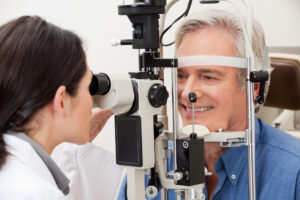
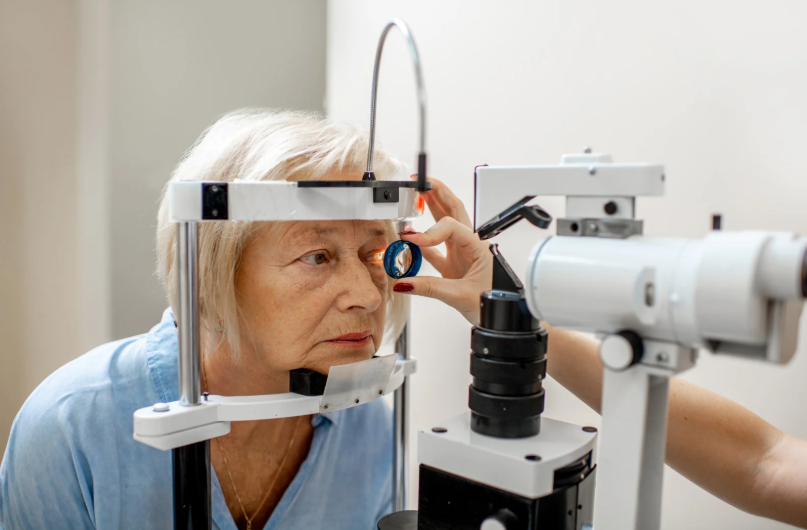
Clear eyesight supports reading, driving, work, study, mobility, and everyday independence. Yet many eye conditions can develop before a person notices obvious changes. A Comprehensive eye health check in Bicol gives patients a chance to assess visual clarity, eye pressure, eye structures, and possible disease risks before serious problems affect daily life.
Lee Tan Eye Center provides ophthalmologic care guided by prevention, careful assessment, and patient-specific management. Dr. Lee Tan is a board-certified ophthalmologist and experienced eye surgeon with advanced glaucoma fellowship training from the University of the Philippines–Philippine General Hospital. His background supports care for common visual concerns, cataracts, glaucoma, and conditions affecting eyelids, tear drainage, and tissues around the eye.
A routine vision test may identify a need for eyeglasses, but a complete medical eye examination covers much more. Patients searching for a Comprehensive eye health check in Bicol can receive a broader assessment designed to identify eye disease, explain available care options, and protect useful vision for years ahead.
What a Comprehensive Eye Health Check in Bicol Covers
A complete eye examination reviews both eyesight and eye health. The ophthalmologist may ask about symptoms, medical history, previous eye procedures, current medications, family history, and daily visual demands. Such details help shape each examination according to age, health status, risk level, and current concerns.
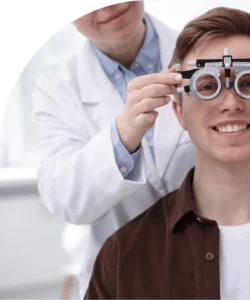
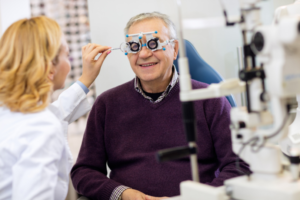
Visual acuity testing checks how clearly each eye sees at different distances. Refraction may help determine whether nearsightedness, farsightedness, astigmatism, or age-related near-vision difficulty affects visual comfort. Eye pressure measurement may also form part of glaucoma assessment.
The ophthalmologist may examine the cornea, iris, natural lens, retina, and optic nerve. Pupil dilation may be recommended so deeper eye structures can be viewed more clearly. A dilated examination can help eye doctors detect disease before major vision loss occurs, while glaucoma may also be identified during a comprehensive dilated assessment.
Extra tests may be requested after the first assessment. Such tests may include visual field testing, optic nerve imaging, retinal imaging, or other procedures selected according to clinical findings. A Comprehensive eye health check in Bicol therefore offers a medical review rather than a simple check of eyeglass grade.
Why Regular Eye Checks Matter Even Without Symptoms
Healthy-looking eyes do not always guarantee healthy vision. Several eye diseases may cause little discomfort during early stages. A person may continue reading, working, or driving without realizing that optic nerve or retinal changes have started.
Regular examinations create a record of eye pressure, visual acuity, optic nerve appearance, and other findings. Future results can then be compared with earlier records. Such comparison may help the ophthalmologist identify gradual changes that would otherwise remain unnoticed.
Early assessment may also lead to simpler management. Some patients only need observation and scheduled follow-up. Others may need prescription lenses, medication, laser treatment, surgery, or further diagnostic testing. The right plan depends on diagnosis, severity, health history, and visual goals.
A Comprehensive eye health check in Bicol can be especially valuable for adults aged 40 and above, older adults, people with diabetes or high blood pressure, patients with past eye injury, and anyone with a family history of glaucoma or other eye disease.
Common Parts of a Comprehensive Eye Examination
Each appointment may differ, but several steps often form part of a complete assessment.
The visit usually starts with a review of symptoms and health history. Patients should mention blurred vision, headaches, glare, eye pain, redness, tearing, dryness, floaters, flashes, double vision, or difficulty seeing at night. Previous surgery, trauma, medication use, and family eye history should also be shared.
Visual acuity testing measures clarity for each eye. Refraction checks whether corrective lenses may improve sight. Eye movement, pupil response, and coordination between both eyes may also be assessed where needed.
Eye pressure testing helps evaluate glaucoma risk, though pressure alone cannot confirm or exclude glaucoma. A full glaucoma assessment may also review the optic nerve and side vision. The National Eye Institute notes that comprehensive dilated examinations can detect glaucoma, while visual field testing checks peripheral vision.
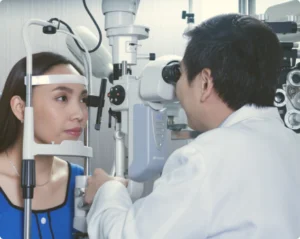
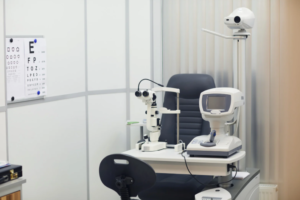
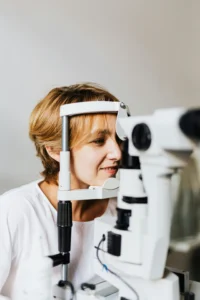
A microscope examination allows the ophthalmologist to inspect front eye structures, including the cornea, iris, and natural lens. Pupil dilation may permit a clearer view of the retina and optic nerve. Further imaging or testing may follow when results suggest a need for closer evaluation.
Eye Conditions a Complete Check May Detect
A Comprehensive eye health check in Bicol may identify refractive errors, cataracts, glaucoma, dry eye concerns, inflammation, eyelid problems, tear drainage disorders, retinal changes, or other eye conditions.
Refractive errors affect how light focuses inside the eye. Nearsightedness makes distant objects harder to see, while farsightedness can affect near tasks. Astigmatism may cause blur or distortion. Age-related near-vision difficulty commonly affects reading and close work.
Cataracts cause clouding of the natural lens. Common concerns may include hazy vision, glare, reduced night vision, faded colors, or frequent eyeglass prescription changes. A cataract does not always require immediate surgery. The ophthalmologist considers how much it affects safety, work, reading, driving, and other daily activities.
Glaucoma affects the optic nerve and may cause permanent vision loss. Many cases show no clear early symptoms, which makes routine assessment important. A complete examination offers more reliable evaluation than eye pressure measurement alone.
Dry eye concerns may cause burning, gritty sensation, redness, fluctuating blur, or excessive tearing. Eyelid and tear drainage conditions may also affect comfort, eye protection, and visual quality. Proper diagnosis helps separate temporary irritation from conditions requiring medical or surgical care.
Glaucoma Screening as Part of Comprehensive Care
Glaucoma deserves careful attention because lost vision may not return. Damage often starts gradually, and side vision may be affected before central vision changes become obvious. Regular examination can help detect risk factors or early damage.
Eye pressure measurement forms only one part of glaucoma assessment. Some patients may develop glaucoma despite pressure readings that fall within a usual range. Others may have raised pressure without clear optic nerve damage. The ophthalmologist therefore considers pressure, optic nerve appearance, visual field results, corneal factors, family history, age, and previous records.
Dr. Lee Tan completed advanced glaucoma fellowship training at UP–Philippine General Hospital after five years of general ophthalmology practice. Such training supports careful diagnosis, long-term monitoring, medication management, and surgical assessment for patients with glaucoma or suspected glaucoma.
Patients seeking a Comprehensive eye health check in Bicol may benefit from glaucoma screening when they have a family history of the disease, previous high eye pressure, diabetes, older age, or unexplained visual changes. Follow-up frequency depends on personal risk and test results.
Cataract Assessment and Daily Visual Function
Cataracts often develop gradually. Early changes may seem minor, but cloudy vision can eventually affect reading, night driving, facial recognition, mobility, and confidence during daily tasks.
During a Comprehensive eye health check in Bicol, the ophthalmologist can inspect the natural lens and assess whether cataract changes match the patient’s symptoms. Other eye conditions may also cause blur, so proper evaluation helps confirm the source of visual difficulty.
When a cataract has limited effect on daily activities, updated glasses, brighter lighting, glare reduction, or continued observation may be recommended. Surgery may be discussed once clouding affects safety, independence, work, or quality of life.
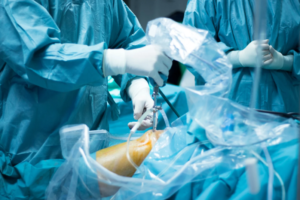
Cataract surgery removes the cloudy natural lens and replaces it with an artificial lens implant. A preoperative assessment helps review eye health, visual goals, possible risks, and suitable lens options. Careful follow-up after surgery supports recovery and allows the doctor to check healing.
Who Should Book a Comprehensive Eye Health Check in Bicol?
Children may need assessment when they struggle to read, sit very close to screens, squint, cover one eye, complain of headaches, or show possible eye alignment concerns. Early assessment can help identify visual problems that may affect learning and development.
Adults should consider an examination when they experience blurred vision, recurring eye strain, headaches, glare, difficulty seeing at night, or frequent prescription changes. People whose work requires long periods of close focus may also benefit from professional guidance.
Patients with diabetes require special attention because diabetic eye disease may develop without early symptoms. The National Eye Institute advises people with diabetes to receive a comprehensive dilated eye examination at least yearly.
Older adults face greater risk for cataracts, glaucoma, and other age-related eye concerns. People with a family history of glaucoma, previous eye surgery, eye trauma, high eye pressure, or long-term medication use should ask their ophthalmologist about suitable examination frequency.
Sudden vision loss, severe eye pain, a new curtain-like shadow, eye injury, or a sudden increase of flashes and floaters should not wait for a routine appointment. Such symptoms may require urgent medical assessment.
How to Prepare for Your Eye Examination
Preparation can help make the visit more productive. Bring current eyeglasses, contact lens details, previous prescriptions, old eye records, and a list of medications. Patients should also share any history of diabetes, high blood pressure, autoimmune disease, or previous eye surgery.
Write down symptoms before the appointment. Note when each concern started, whether it affects one or both eyes, how often it occurs, and what makes it better or worse. Such details can help the ophthalmologist identify possible causes.
Family history also matters. Tell the doctor about close relatives with glaucoma, retinal disease, severe vision loss, or other eye conditions. Genetic risk does not guarantee disease, but it may affect screening advice.
Pupil dilation can temporarily cause light sensitivity and blurred near vision. Bringing sunglasses may improve comfort after the visit. Some patients may prefer a companion or alternate transportation, especially when dilation affects visual comfort.
Preventive and Patient-Specific Care at Lee Tan Eye Center
Lee Tan Eye Center places prevention and early detection at the center of care. Dr. Tan reviews each patient’s symptoms, test findings, health history, lifestyle, and visual priorities before recommending management.
A stepwise approach may begin with observation, preventive guidance, prescription correction, or medication where appropriate. Further testing, laser care, or surgery may be considered according to medical need. The goal remains preservation of useful vision while reducing avoidable disability.
Clear communication also supports better care. Patients should understand what was found, why a test was recommended, what treatment may achieve, and when follow-up should occur. Such discussion helps patients take an active role across long-term eye health.
A Comprehensive eye health check in Bicol at Lee Tan Eye Center may support early diagnosis, ongoing monitoring, cataract assessment, glaucoma care, and evaluation of concerns affecting eyelids, tear drainage, or tissues around the eye.
About Dr. Lee Tan
Dr. Lee Tan is a board-certified ophthalmologist and experienced eye surgeon. He graduated cum laude with a Psychology degree from the University of the Philippines before earning his Doctor of Medicine degree from the UP College of Medicine.
He completed ophthalmology residency training at UP–Philippine General Hospital, building broad experience across clinical ophthalmology and ophthalmologic surgery. Five years of general ophthalmology practice followed before advanced fellowship training focused on glaucoma.
His care philosophy gives strong value to screening, prevention, early detection, and patient-specific planning. Such principles guide the center’s approach to visual assessment, disease monitoring, surgical decision-making, and long-term vision protection.
What Happens After a Comprehensive Eye Health Check in Bicol?
After testing, the ophthalmologist discusses the results and explains whether the eyes appear healthy or require further care. Patients may receive an updated prescription, preventive advice, medication, a request for extra testing, or a follow-up schedule.
Glaucoma suspects may need repeated eye pressure checks, optic nerve imaging, or visual field testing. Cataract patients may be observed until vision changes begin affecting daily life. Patients with surface irritation may receive treatment based on the diagnosed cause.
Follow-up timing varies. A healthy adult with no major risk factors may not need the same schedule as someone with glaucoma, diabetes, previous surgery, or active eye disease. Following the recommended return date allows the doctor to track changes and adjust care when necessary.
Protect Your Sight With a Comprehensive Eye Health Check in Bicol
Vision loss may affect independence, safety, work, education, and family life. Regular examinations offer a practical way to identify concerns early and receive professional guidance before avoidable damage develops.
Lee Tan Eye Center provides comprehensive ophthalmology, cataract surgery, glaucoma care, and assessment for plastic, lacrimal, and orbit concerns. Care is led by Dr. Lee Tan, whose training and clinical experience support both routine eye care and more complex ophthalmologic needs.
Book a Comprehensive eye health check in Bicol to review your eyesight, eye pressure, optic nerve, natural lens, retina, and other structures that support healthy vision. Early assessment may provide reassurance, identify a correctable concern, or start timely care for a condition requiring closer attention.
Frequently Asked Questions About a Comprehensive Eye Health Check in Bicol
How often should adults get a comprehensive eye examination?
Frequency depends on age, symptoms, medical history, family history, and previous examination results. Patients with diabetes, glaucoma risk, active eye disease, or past eye surgery may need more frequent visits. An ophthalmologist can recommend a schedule based on personal risk.
Do I need an examination when my eyesight seems clear?
Yes. Clear central vision does not rule out every eye condition. Glaucoma and several retinal problems may start without obvious symptoms. A complete examination checks both visual clarity and eye health.
Is a vision test the same as a complete eye examination?
No. A basic vision test mainly measures how clearly a person sees and whether corrective lenses may help. A comprehensive examination may also assess eye pressure, the cornea, natural lens, retina, optic nerve, pupils, and other structures.
Can a Comprehensive eye health check in Bicol detect glaucoma?
A complete assessment can identify glaucoma risk, suspicious optic nerve changes, raised eye pressure, or visual field loss. Extra testing may be needed before the ophthalmologist confirms a diagnosis.
Can an eye examination detect cataracts?
Yes. The ophthalmologist can inspect the natural lens for clouding and determine whether cataract changes may be causing blur, glare, or reduced night vision. Surgery is usually considered according to the effect on daily activities and overall eye health.
Does pupil dilation hurt?
Dilating drops may sting briefly, but the examination is usually painless. Dilation may cause temporary light sensitivity and blurred near vision, so sunglasses can be helpful afterward.
What should I bring to the appointment?
Bring current eyeglasses, contact lens information, previous eye records, a medication list, and details about medical conditions or past eye surgery. Family history of glaucoma or serious eye disease should also be shared.
Which symptoms need urgent attention?
Sudden vision loss, severe eye pain, eye trauma, a dark curtain across vision, or a sudden increase of flashes and floaters may require urgent assessment. Seek prompt medical care rather than waiting for a regular checkup.
Who provides care at Lee Tan Eye Center?
Dr. Lee Tan leads care at the center. He is a board-certified ophthalmologist with UP College of Medicine training, ophthalmology residency at UP–Philippine General Hospital, general ophthalmology experience, and advanced glaucoma fellowship training.
Why choose Lee Tan Eye Center for a Comprehensive eye health check in Bicol?
Patients receive care centered on prevention, accurate assessment, clear discussion, and management based on personal visual needs. Services cover comprehensive ophthalmology, cataract surgery, glaucoma, and concerns affecting eyelids, tear drainage, and tissues around the eye.