A noticeable lump on the wrist or hand can be surprising, especially when it begins to interfere with everyday activities. Many people discover these lumps while typing, lifting objects, exercising, or simply moving the wrist. One of the most common causes is a ganglion cyst, a noncancerous, fluid-filled sac that develops near a joint or tendon sheath. Although some ganglion cysts remain painless, others may cause discomfort, weakness, numbness, or restricted movement.
Ganglion Cyst Removal may be recommended when symptoms persist, the cyst continues to grow, or daily tasks become difficult. Treatment begins with a thorough evaluation to confirm the diagnosis and determine whether surgery is the most appropriate option.
At Lao Orthopedic Clinic, patients receive comprehensive orthopedic care for wrist and hand conditions. Dr. Lawrence Lao combines years of orthopedic experience with advanced subspecialty training to help patients regain comfort, mobility, and confidence through personalized treatment plans.
What Is a Ganglion Cyst?
A ganglion cyst is a soft, fluid-filled sac that forms close to a joint capsule or tendon sheath. The cyst contains a thick, jelly-like fluid similar to the natural fluid that lubricates joints. These cysts are benign, meaning they are not cancerous, but they can still create symptoms depending on their size and location.
Ganglion cysts most commonly appear on the back of the wrist, although they may also develop on the front of the wrist, fingers, or hand. Some remain small for years, while others gradually increase or decrease in size. The appearance of the cyst may also change depending on activity levels.
Many ganglion cysts do not require immediate treatment. However, Ganglion Cyst Removal becomes a consideration when pain, weakness, nerve irritation, or restricted motion affects quality of life.
Where Do Ganglion Cysts Usually Develop?
Ganglion cysts are most often found around joints that experience frequent movement.
Common locations include:
- Back of the wrist
- Palm side of the wrist
- Base of the fingers
- Finger joints
- Tendon sheaths of the hand
Although wrist ganglion cysts are the most common, similar cysts may occasionally develop around the foot or ankle.
What Causes a Ganglion Cyst?
The exact cause of a ganglion cyst is not always clear. Medical experts believe these cysts develop when joint fluid escapes through a weak area of the joint capsule or tendon covering, creating a small sac filled with fluid.
Several factors may increase the likelihood of developing a ganglion cyst.
Joint or Tendon Irritation
Repeated stress placed on joints and tendons may contribute to cyst formation.
Repetitive Wrist Movements
Activities involving frequent wrist motion may place additional stress on surrounding tissues. These activities may include:
- Typing
- Writing
- Weightlifting
- Racquet sports
- Manual labor
- Assembly work
Previous Injury
Past injuries involving the wrist or hand may increase the chance of developing a ganglion cyst.
Joint Wear
Age-related changes affecting joints or ligaments may also play a role for some individuals.
Despite these possible factors, many ganglion cysts develop without any obvious cause.
Who Has a Higher Chance of Developing a Ganglion Cyst?
Ganglion cysts may occur at almost any age but are more frequently seen among young adults and middle-aged individuals.
Certain groups may have a greater chance of developing these cysts because of repetitive hand movements.
These include:
- Students
- Office workers
- Healthcare professionals
- Athletes
- Drivers
- Homemakers
- Construction workers
- Factory employees
- Musicians
Having these risk factors does not necessarily mean someone will require Ganglion Cyst Removal, but persistent symptoms should be evaluated by an orthopedic specialist.
Signs and Symptoms of a Ganglion Cyst
Symptoms vary depending on the cyst’s size and whether nearby nerves or tendons are affected.
Many patients first notice a visible lump before developing discomfort.
Common symptoms include:
- Round or oval lump near the wrist or hand
- Soft or firm swelling
- Pain during movement
- Wrist stiffness
- Reduced grip strength
- Tingling sensations
- Numbness
- Difficulty lifting objects
- Limited wrist motion
Some ganglion cysts remain painless even when they become larger.
When Should You See an Orthopedic Surgeon?
Not every ganglion cyst requires surgery. Some disappear without treatment, while others remain unchanged for many years.
Medical evaluation is recommended when:
- Pain continues despite rest.
- The cyst rapidly increases in size.
- Daily activities become difficult.
- Hand weakness develops.
- Numbness or tingling occurs.
- Wrist motion becomes limited.
- The cyst returns after previous treatment.
- The diagnosis is uncertain.
Early evaluation allows an orthopedic surgeon to determine whether observation, aspiration, or Ganglion Cyst Removal is the most appropriate option.
How Is a Ganglion Cyst Diagnosed?
Accurate diagnosis helps rule out other wrist or hand conditions that may produce similar symptoms.
Medical History
Your orthopedic surgeon will discuss:
- When the lump first appeared
- Changes in size
- Pain severity
- Previous injuries
- Daily activities
- Medical history
Physical Examination
A careful examination helps determine:
- Size of the cyst
- Location
- Tenderness
- Wrist movement
- Hand strength
- Signs of nerve compression
Many ganglion cysts can be diagnosed during a physical examination.
Imaging Studies
Additional imaging may be recommended when needed.
These may include:
- Ultrasound to confirm the fluid-filled nature of the cyst
- MRI to evaluate deeper structures
- X-rays to assess nearby bones or arthritis when appropriate
These tests also help rule out other causes of wrist masses.
Treatment Options for Ganglion Cysts
Treatment depends on symptoms, cyst size, and how much the condition affects everyday activities.
Observation
Small, painless ganglion cysts often do not require immediate treatment.
Your orthopedic surgeon may recommend regular monitoring if the cyst is not causing problems.
Wrist Support
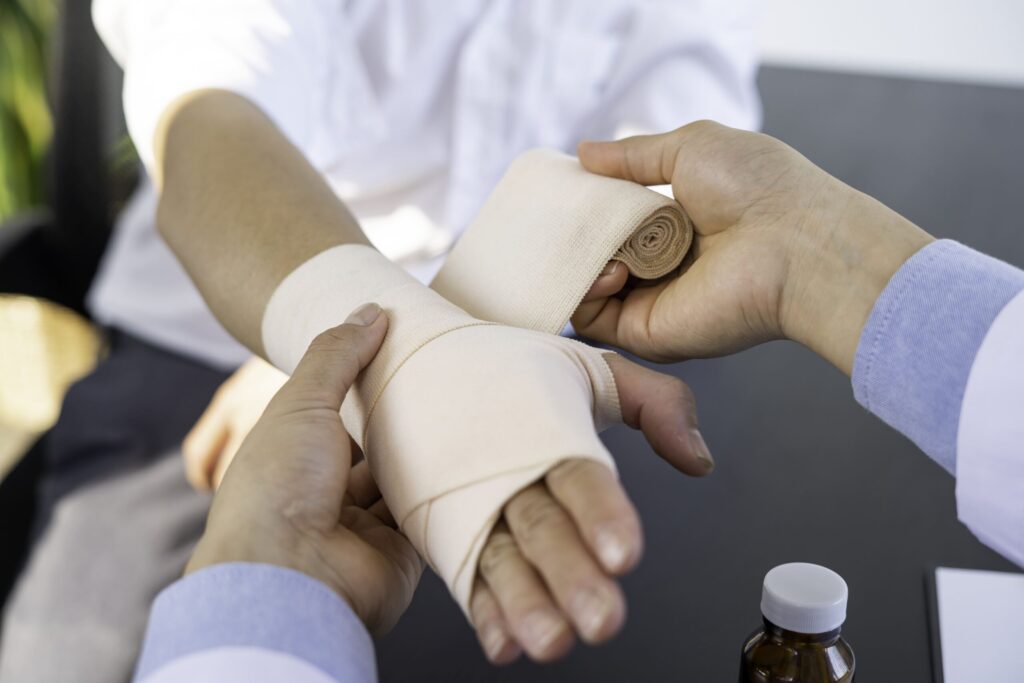
Temporary wrist braces or splints may reduce irritation during certain activities. Activity modification may also decrease discomfort.
Aspiration
Aspiration involves removing fluid from the cyst using a needle.
Although this procedure may temporarily reduce the cyst’s size, recurrence is relatively common because the connection to the joint remains.
Ganglion Cyst Removal Surgery
Ganglion Cyst Removal may be recommended when:
- Pain continues despite conservative treatment.
- The cyst interferes with work or sports.
- Nerve compression causes numbness.
- Wrist motion becomes restricted.
- The cyst repeatedly returns.
- Cosmetic concerns are significant.
The primary goal of Ganglion Cyst Removal is to remove both the cyst and its stalk to reduce the chance of recurrence while improving comfort and function.
What Happens During Ganglion Cyst Removal?
Before surgery, your orthopedic surgeon will review your symptoms, perform an examination, and explain the procedure.
Most Ganglion Cyst Removal procedures are completed on an outpatient basis, allowing patients to return home on the same day.
During surgery:
- The surgical site is carefully prepared.
- An incision is made over the cyst.
- The cyst is removed along with its connection to the joint capsule or tendon sheath.
- Nearby structures such as nerves, blood vessels, and tendons are carefully protected.
- The incision is closed using sutures.
- A protective dressing is applied.
The exact surgical technique depends on the cyst’s location and surrounding anatomy.
Recovery After Ganglion Cyst Removal
Recovery following Ganglion Cyst Removal varies from one patient to another.
Several factors influence recovery, including the cyst’s location, overall health, and the type of work performed.
First Few Days
Patients commonly experience:
- Mild swelling
- Temporary soreness
- Minor stiffness
Keeping the hand elevated may help reduce swelling during the first few days.
Returning to Daily Activities
Many patients gradually resume light daily activities after surgery.
Activities requiring repetitive wrist movement, heavy lifting, or sports may require additional recovery time based on the surgeon’s recommendations.
Hand Exercises
Gentle movement exercises may be recommended to reduce stiffness and restore flexibility.
Patients should only begin exercises after receiving approval from their orthopedic surgeon.
Follow-Up Care
Regular follow-up appointments allow the surgeon to monitor healing, remove sutures when appropriate, and address any concerns during recovery.
Following postoperative instructions carefully supports a smooth recovery after Ganglion Cyst Removal.
Possible Risks and Complications
Every surgical procedure carries some degree of risk, although complications are generally uncommon.
Possible risks include:
- Infection
- Bleeding
- Temporary swelling
- Scar sensitivity
- Wrist stiffness
- Injury to nearby nerves or blood vessels
- Recurrence of the cyst
Choosing an experienced orthopedic surgeon and carefully following postoperative instructions may help reduce these risks.
Can a Ganglion Cyst Return After Surgery?
Although Ganglion Cyst Removal offers one of the lowest recurrence rates among available treatments, no procedure can completely eliminate the possibility of recurrence.
Removing the cyst together with its stalk reduces the likelihood of the cyst returning compared with aspiration alone.
Patients should continue attending follow-up appointments so healing can be monitored and any concerns addressed promptly.
Why Choose Lao Orthopedic Clinic for Ganglion Cyst Removal?
Lao Orthopedic Clinic provides comprehensive orthopedic care for patients experiencing wrist and hand conditions.
Dr. Lawrence Lao has more than 16 years of medical experience and advanced training in Orthopedic Traumatology, Hip and Knee Advanced Reconstruction, and Sports Surgery and Arthroscopy. His patient-centered approach emphasizes accurate diagnosis, individualized treatment planning, and careful postoperative care.
Patients receive thorough evaluations to determine whether conservative management or Ganglion Cyst Removal is the most suitable option. Every treatment plan is tailored to each patient’s symptoms, lifestyle, and functional goals.
The clinic proudly serves patients from Bicol, Naga City, Legazpi City, Camarines Sur, Albay, and nearby communities seeking expert orthopedic care.
Takeaway
A ganglion cyst may appear harmless at first, yet persistent pain, weakness, numbness, or limited wrist movement should never be ignored. Early evaluation helps determine the exact cause of the lump and identifies the most appropriate treatment based on your individual needs.
Many ganglion cysts can be safely monitored without surgery, while others respond well to aspiration or activity modification. When symptoms continue or the cyst repeatedly returns, Ganglion Cyst Removal may provide lasting relief and improved hand function.
Seeking care from an experienced orthopedic surgeon allows patients to receive an accurate diagnosis, personalized recommendations, and comprehensive treatment designed to support a safe recovery and a return to everyday activities.
Frequently Asked Questions
Is a ganglion cyst dangerous?
Ganglion cysts are generally benign and are not considered cancerous. Even so, they can cause pain, weakness, numbness, or restricted movement depending on their size and location.
Can a ganglion cyst disappear without treatment?
Yes. Some ganglion cysts become smaller or disappear over time without medical treatment. Others remain unchanged or gradually increase in size.
When is Ganglion Cyst Removal recommended?
Ganglion Cyst Removal may be recommended when the cyst causes persistent pain, limits wrist or hand movement, compresses nearby nerves, returns after aspiration, or interferes with work, sports, or daily activities.
Is Ganglion Cyst Removal painful?
Patients receive appropriate anesthesia during the procedure, so they should not feel pain during surgery. Mild soreness after surgery is common and usually improves as healing progresses.
How long does recovery take after Ganglion Cyst Removal?
Recovery varies for each patient. Many people return to light activities within a few weeks, while more demanding activities may require additional healing time depending on the procedure and individual recovery.
Can the cyst return after surgery?
Although Ganglion Cyst Removal reduces the chance of recurrence, no treatment can guarantee that a cyst will never return. Removing the cyst together with its connection to the joint offers a lower recurrence rate than aspiration alone.
Will I have a scar after surgery?
A small scar is expected after Ganglion Cyst Removal. Proper wound care and following your surgeon’s instructions may help the scar heal well over time.
Should every ganglion cyst be removed?
No. Many ganglion cysts do not require surgery. Treatment depends on symptoms, the size of the cyst, its location, and how much it affects daily activities. An orthopedic evaluation helps determine the most appropriate approach.