Vision affects how people experience almost every aspect of everyday life, from reading and working to driving, exercising, and interacting with others. When changes in eyesight begin to interfere with daily activities, professional evaluation can help identify the reason behind those changes. An Eye and Laser Clinic Quezon City can provide specialized services for people who need routine eye examinations, medical treatment, diagnostic testing, or vision correction. Some clinics also provide advanced laser procedures for eligible patients who want to reduce their dependence on eyeglasses or contact lenses. However, modern eye care is not limited to laser surgery, and patients may have very different needs depending on their age, symptoms, and overall eye health. Choosing a clinic should therefore involve more than comparing promotional offers or equipment. Patients should consider the qualifications of the eye specialist, range of services, diagnostic capabilities, treatment options, and quality of follow-up care.
What Makes an Eye and Laser Clinic Different?
An Eye and Laser Clinic Quezon City combines specialized eye evaluation with treatment options that may include laser-based procedures. Traditional optical services generally focus on determining prescriptions and providing corrective eyewear, while an ophthalmology clinic can evaluate and manage medical conditions affecting the eyes. Depending on the facility, patients may receive comprehensive eye examinations, cataract assessments, glaucoma screening, corneal evaluations, retinal examinations, and refractive consultations. Clinics that specialize in laser vision correction may also evaluate patients for procedures such as LASIK, PRK, and SMILE. These procedures are designed for selected refractive errors, but they are not appropriate for everyone. A detailed examination is necessary before a doctor can determine whether laser treatment is advisable. Patients should therefore look for a facility that offers both careful evaluation and treatment options appropriate to their individual needs.
Why Comprehensive Eye Examinations Matter
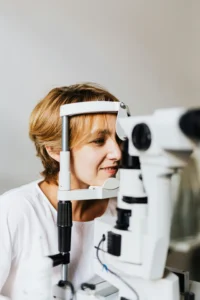
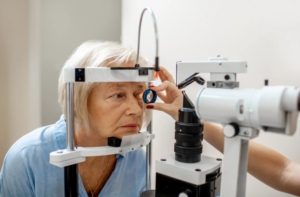
Many people associate eye examinations only with checking whether they need glasses, but a professional eye evaluation can provide much more information. An ophthalmologist can assess visual acuity and refractive errors while also examining important structures within the eyes. Certain conditions can develop gradually without causing obvious symptoms, which makes regular professional assessment valuable. Eye examinations can be particularly important for individuals with diabetes, high blood pressure, a family history of eye disease, or other factors that may increase the risk of vision problems. Children may require assessments to support healthy visual development, while adults may need examinations as their vision changes with age. Older adults may require regular monitoring for cataracts, glaucoma, retinal disorders, and other conditions. Visiting an Eye and Laser Clinic Quezon City can provide an opportunity to evaluate both vision quality and overall eye health.
Common Eye Services Available in Quezon City
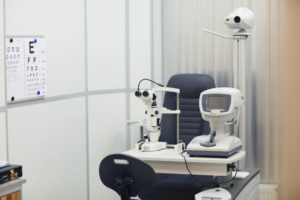
The services offered by an Eye and Laser Clinic Quezon City vary according to the facility’s specialties and available technology. Routine services may include visual acuity testing, refraction, eye pressure assessment, and comprehensive examinations. Patients experiencing persistent dryness, irritation, redness, or fluctuating vision may receive an evaluation for dry-eye or ocular-surface problems. Individuals with cataracts can undergo examinations to determine how the condition affects daily activities and whether treatment may be appropriate. Patients with suspected glaucoma may require pressure measurements and additional assessments of the optic nerve and visual field. Retinal and corneal specialists may provide more focused care for patients with specific eye disorders. Some clinics also offer pediatric eye care, making it possible for families to access professional services for children as well as adults.
Understanding Refractive Errors
Refractive errors occur when the eye does not focus light correctly onto the retina, resulting in blurred or distorted vision. Nearsightedness, farsightedness, and astigmatism are among the most common forms of refractive error. Glasses and contact lenses can correct these problems by changing the way light enters the eye. Some eligible patients may also explore refractive surgery as an alternative approach to reducing dependence on corrective lenses. An Eye and Laser Clinic Quezon City can evaluate the patient’s prescription and determine whether laser vision correction should be considered. The patient’s prescription is only one part of the evaluation because corneal health, eye surface condition, age, and other factors can influence eligibility. Understanding the underlying vision problem is therefore an important first step before discussing surgical correction.
How Laser Vision Correction Can Help Selected Patients
Laser vision correction uses specialized technology to alter the shape of the cornea and improve how light is focused through the eye. For eligible patients, this can reduce dependence on glasses or contact lenses for certain visual tasks. LASIK is widely recognized, but other procedures such as PRK and SMILE may also be considered depending on the patient’s circumstances. Each procedure uses a different surgical technique and has its own recovery considerations. Patients should not assume that the newest or most heavily advertised procedure is necessarily the most appropriate option. An ophthalmologist must evaluate the patient’s eyes and discuss the potential benefits and limitations of each available treatment. A reputable Eye and Laser Clinic Quezon City should focus on appropriate patient selection rather than recommending laser surgery simply because a patient requests it.
LASIK: What Patients Should Know
LASIK is a laser refractive procedure that reshapes the cornea to improve the way light is focused on the retina. It is often considered by people who want to reduce their reliance on glasses or contact lenses. Before LASIK is recommended, the ophthalmologist must evaluate the patient’s prescription and overall eye health. Specialized measurements can provide information about corneal thickness, shape, and other characteristics relevant to treatment. Patients should also discuss existing dry-eye symptoms, previous eye procedures, medical conditions, and realistic expectations. While many appropriately selected patients experience significant improvements in functional vision, individual outcomes can vary. A consultation with an Eye and Laser Clinic Quezon City can help determine whether LASIK is an appropriate option and what alternatives may be available.
PRK: Another Approach to Laser Vision Correction
PRK is another laser procedure used to correct certain refractive errors. Unlike LASIK, PRK does not involve creating the same type of corneal flap. Instead, laser treatment is performed after addressing the surface layer of the cornea. This difference can influence the healing process and recovery experience. Some patients may be considered for PRK when their eye characteristics make it a more suitable option than LASIK. The decision should be based on detailed clinical assessment rather than personal preference alone. Patients considering PRK should ask about expected healing, temporary visual changes, discomfort, activity restrictions, and follow-up appointments.
SMILE and Modern Refractive Technology
SMILE is a newer form of laser vision correction that uses a small incision to remove a precisely created piece of corneal tissue. The technique differs from LASIK because it does not require the creation of a conventional LASIK flap. SMILE may be an option for certain patients with specific types of refractive errors. However, availability varies among eye clinics, and suitability depends on the patient’s individual eye characteristics. A detailed examination allows the ophthalmologist to determine whether SMILE is appropriate and whether other treatments may offer better alternatives. Patients should ask their doctor to explain how SMILE compares with LASIK and PRK in terms of technique, eligibility, recovery, and potential risks. Having this information can make it easier to make an informed decision about laser vision correction.
The Importance of Pre-Laser Screening
Pre-treatment screening is an essential part of responsible laser eye care. The purpose of the evaluation is to determine whether the patient’s eyes are healthy and suitable for the proposed procedure. A doctor may perform several tests to evaluate the cornea, refractive error, tear film, eye pressure, and other characteristics. These measurements can help identify factors that may increase the risks associated with laser treatment. Screening may also reveal eye conditions that need to be treated or monitored before refractive surgery is considered. Patients should be cautious about any provider that appears willing to recommend surgery without appropriate testing. A thorough evaluation at an Eye and Laser Clinic Quezon City gives both the doctor and patient important information for making a responsible treatment decision.
How to Select the Right Clinic
Choosing an eye clinic can be challenging when several facilities offer similar services. Patients should begin by researching the credentials and professional experience of the ophthalmologist responsible for their care. Those considering laser surgery may also want to ask about the doctor’s experience with the specific procedure being considered. The clinic’s diagnostic equipment is another important consideration because treatment planning depends on accurate measurements. Patients should ask whether consultations, testing, medications, and follow-up appointments are included in the advertised treatment price. The clinic should also explain potential risks and expected outcomes in understandable language. A professional facility should give patients enough information and time to make an informed decision rather than creating pressure to schedule treatment immediately.
Factors to Consider Beyond Treatment Cost
Price can be an important practical consideration, but it should not be the only factor used to compare clinics. A lower advertised price may not include diagnostic testing, medications, follow-up examinations, or other necessary services. Patients should request a complete breakdown of the expected costs before agreeing to treatment. The experience and qualifications of the ophthalmologist should also receive significant attention because medical expertise is an important part of patient care. Technology matters as well, but sophisticated equipment is only useful when it is appropriately selected and interpreted by trained professionals. Accessibility can also be important because some procedures require several appointments before and after treatment. Evaluating the entire care experience can help patients choose an Eye and Laser Clinic Quezon City based on quality rather than price alone.
Preparing for Your Eye Consultation
Patients can take several simple steps to prepare for an eye appointment. Bring current glasses, contact lens information, previous prescriptions, and relevant medical records if they are available. Patients should also provide accurate information about medications and existing health conditions. Contact lens wearers should ask whether they need to stop wearing lenses before their examination because certain lenses can affect corneal measurements. It can also be useful to record when vision symptoms began and whether they have changed over time. Preparing questions in advance can ensure that important concerns are discussed during the appointment. Good preparation allows the ophthalmologist to gather more complete information and can make the consultation more productive.
What Happens During a Laser Evaluation?
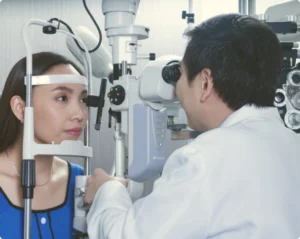
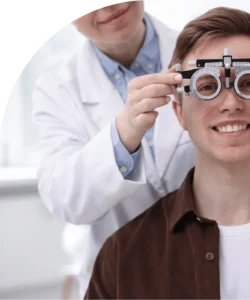
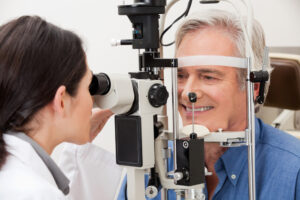
A laser evaluation generally begins with a discussion of the patient’s vision history and goals. The ophthalmologist may ask about glasses, contact lenses, previous eye procedures, medications, and existing medical conditions. Visual acuity and refraction tests may be performed to determine the patient’s current prescription. Additional testing can assess corneal shape, thickness, eye pressure, tear-film condition, and other characteristics relevant to laser treatment. The doctor reviews these findings to determine whether the patient may be a candidate for refractive surgery. If treatment is appropriate, the ophthalmologist can discuss the available procedures and explain their expected benefits, limitations, risks, and recovery requirements. Patients should feel comfortable asking for clarification about any part of the evaluation before deciding whether to proceed.
Eye Care for Busy Professionals and Students
Students and professionals frequently spend long periods reading, working on computers, or using mobile devices. Extended screen use may contribute to symptoms such as temporary blurry vision, dry eyes, headaches, and visual fatigue. These symptoms can have different causes, and an eye examination can help determine whether an underlying vision problem is contributing to the discomfort. Correcting an outdated prescription may help some patients, while others may benefit from strategies designed to manage dry-eye symptoms or screen-related strain. Laser vision correction is not necessarily the answer to every screen-related complaint. A professional evaluation at an Eye and Laser Clinic Quezon City can help identify the actual cause of persistent symptoms and determine whether additional treatment is needed.
Eye Health as You Age
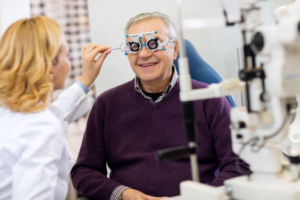
The eyes can change naturally throughout adulthood, making regular examinations increasingly valuable. People in their 40s and 50s may begin experiencing difficulty reading small print or focusing on nearby objects. Cataracts can gradually cause cloudiness, glare, and reduced visual clarity as the natural lens becomes less transparent. Glaucoma can damage the optic nerve and may progress without obvious symptoms in its early stages. Retinal conditions can also affect central or peripheral vision and may require specialized evaluation. Older adults should discuss their individual risk factors with an eye specialist and follow an appropriate examination schedule. An Eye and Laser Clinic Quezon City can help patients understand changing vision and determine when specialized testing or treatment may be appropriate.
What to Expect After Laser Treatment
The care process continues after the laser procedure is completed. Patients are generally given specific instructions regarding medications, eye protection, physical activity, and follow-up visits. The recovery experience depends on the procedure performed and the patient’s individual healing process. Temporary changes in vision, dryness, or discomfort may occur during recovery, although the specific experience varies between patients. Patients should avoid rubbing their eyes and follow all activity restrictions provided by their doctor. Follow-up examinations allow the ophthalmologist to monitor healing and address any concerns that may develop. Patients should contact their medical provider if they experience symptoms that require prompt assessment instead of attempting to manage unexpected problems on their own.
Why Follow-Up Care Matters
Follow-up appointments are an important part of both surgical and nonsurgical eye care. After laser vision correction, follow-up examinations allow the ophthalmologist to assess healing and changes in visual performance. These appointments can also provide an opportunity to adjust postoperative treatment when medically appropriate. Patients with chronic eye conditions may require regular monitoring even when their symptoms appear stable. Skipping recommended appointments can make it harder for the doctor to identify changes that require attention. A clinic that offers organized follow-up care provides continuity throughout the patient’s treatment journey. When comparing an Eye and Laser Clinic Quezon City, patients should therefore ask about postoperative monitoring and ongoing eye-care support.
FAQ About Eye and Laser Clinic Quezon City
What is an Eye and Laser Clinic Quezon City?
An Eye and Laser Clinic Quezon City is a specialized facility that may provide comprehensive eye examinations, medical ophthalmology services, diagnostic testing, and laser-based vision correction. The services available depend on the individual clinic. Some facilities focus primarily on refractive surgery, while others provide a broader range of eye treatments. Patients should verify the clinic’s services before making an appointment.
Who should visit an eye clinic?
Anyone experiencing persistent vision changes, blurry eyesight, eye discomfort, unusual visual symptoms, or difficulty performing everyday visual tasks may benefit from professional evaluation. Routine examinations can also be useful for people without noticeable symptoms. Children, adults, and older individuals may have different eye-care requirements. The recommended frequency of examinations depends on individual risk factors and medical history.
Is LASIK appropriate for all patients?
LASIK is not appropriate for everyone. A patient’s corneal condition, prescription, eye health, age, and other factors can influence eligibility. Some individuals may be better candidates for PRK, SMILE, or another form of vision correction. Others may be advised not to undergo laser surgery at all.
What should I expect during a laser eye evaluation?
The evaluation may include a discussion of your medical and vision history, visual acuity testing, refraction, and specialized measurements of the eyes. Additional tests may be performed to assess corneal characteristics and overall eye health. The ophthalmologist will review the findings before recommending treatment. Patients should receive an explanation of potential benefits, limitations, risks, and alternatives.
How do LASIK, PRK, and SMILE differ?
The three procedures use different surgical techniques to reshape the cornea. LASIK involves creating a corneal flap, PRK works through the surface of the cornea, and SMILE uses a small incision to remove a corneal lenticule. Recovery and eligibility can differ between procedures. The best option depends on the patient’s individual examination results.
How much does laser eye treatment cost?
Treatment costs vary depending on the procedure, technology, physician, clinic, diagnostic testing, and follow-up requirements. Some advertised prices may not include every part of the treatment process. Patients should request a detailed cost breakdown before making a decision. Asking about additional fees can help avoid unexpected expenses.
Can laser vision correction eliminate glasses permanently?
Laser vision correction can reduce dependence on glasses for appropriately selected patients, but it cannot guarantee that glasses will never be needed again. Vision naturally changes with age, and some patients may need glasses for certain activities. Individual outcomes also vary. An ophthalmologist can provide a more personalized explanation after evaluating the patient’s eyes.
How can I choose a trustworthy eye clinic?
Look at the ophthalmologist’s credentials, experience, available diagnostic technology, range of services, patient communication, safety practices, and follow-up care. It is also important to understand exactly what is included in the treatment price. Patients should feel comfortable asking questions and requesting clarification about any recommendation. A careful evaluation can help identify a clinic that matches the patient’s specific needs.
Takeaway: Making an Informed Eye-Care Decision
Choosing an Eye and Laser Clinic Quezon City should be based on careful research, professional qualifications, comprehensive examinations, and appropriate treatment recommendations. Modern eye clinics can provide much more than vision prescriptions, with services ranging from routine examinations and medical eye care to advanced laser vision correction. LASIK, PRK, and SMILE each have different techniques and considerations, making individualized assessment essential before treatment. Patients should never feel pressured to undergo a procedure simply because it is advertised as convenient or technologically advanced. Instead, they should understand their eye condition, available treatment choices, potential risks, expected recovery, and long-term care requirements. The quality of diagnostic testing and communication with the ophthalmologist can be just as important as the technology used for treatment. By choosing professional care and asking informed questions, patients can take practical steps toward maintaining healthier vision and making confident decisions about available eye-care options.