Understanding PRP for Sports Injuries: How It Works in Modern Recovery Care
PRP for sports injuries is a regenerative treatment approach that uses a patient’s own blood components to support tissue repair and healing. It has become increasingly popular among athletes and active individuals who want alternatives to surgery or long recovery downtime. The therapy focuses on concentrating platelets, which are rich in growth factors that assist in the body’s natural healing response. These growth factors play a key role in repairing tendons, ligaments, muscles, and joints affected by physical activity or trauma. Many sports medicine specialists use PRP for sports injuries as part of a broader recovery strategy. The treatment is typically performed in a clinical setting using a minimally invasive method. Interest continues to grow because it aligns with the body’s natural biological processes.
Key concepts behind PRP use in sports medicine:
- Uses the patient’s own blood components
- Focuses on tissue regeneration and repair support
- Commonly applied to musculoskeletal injuries
- Minimally invasive compared to surgery
The popularity of PRP for sports injuries is strongly linked to its ability to support recovery without introducing foreign substances into the body. It is often recommended for individuals who prefer biologically based treatments. While results vary, many patients report improved function and reduced discomfort over time. This approach is widely integrated into modern orthopedic and sports rehabilitation programs.
The Science Behind PRP Therapy and Tissue Repair
The foundation of PRP for sports injuries lies in platelet biology and cellular healing mechanisms. Platelets contain proteins known as growth factors that help regulate inflammation and stimulate tissue repair. When injected into an injured area, these growth factors signal the body to begin rebuilding damaged structures. This process is essential in treating soft tissue injuries that often heal slowly on their own. The therapy supports cellular activity that contributes to collagen production and tissue strengthening. Researchers continue to study how PRP influences long-term healing outcomes. It is considered a biologically active treatment that works alongside natural repair systems.
Biological elements involved in PRP healing:
- Platelets and growth factor release
- Collagen stimulation and tissue rebuilding
- Cellular repair signaling pathways
- Controlled inflammation response
PRP for sports injuries is not a synthetic drug but a concentration of natural healing components. This makes it appealing for individuals seeking biologically compatible therapies. The scientific interest in PRP continues to expand as more studies evaluate its effectiveness in musculoskeletal recovery.
Common Sports Injuries Treated With PRP Therapy
PRP for sports injuries is commonly used for conditions involving tendons, ligaments, muscles, and joints. These injuries often occur due to overuse, sudden impact, or repetitive strain. Athletes in running, basketball, football, and weight training frequently experience such issues. PRP therapy is often considered when traditional treatments do not provide sufficient relief. It is especially useful for chronic or slow-healing injuries. The treatment is tailored depending on the severity and location of the injury. Medical professionals evaluate imaging results before recommending PRP.
Injuries commonly treated with PRP:
- Tendon injuries such as Achilles and patellar tendon issues
- Ligament sprains and partial tears
- Muscle strains from overuse or trauma
- Joint pain in knees, shoulders, and elbows
PRP for sports injuries is often integrated into rehabilitation programs to enhance recovery outcomes. It is not limited to professional athletes and is also used by recreationally active individuals. Proper diagnosis remains essential before proceeding with treatment.
How PRP for Sports Injuries Is Administered
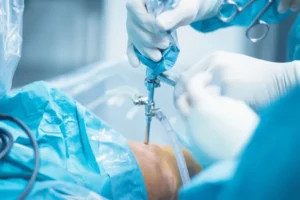
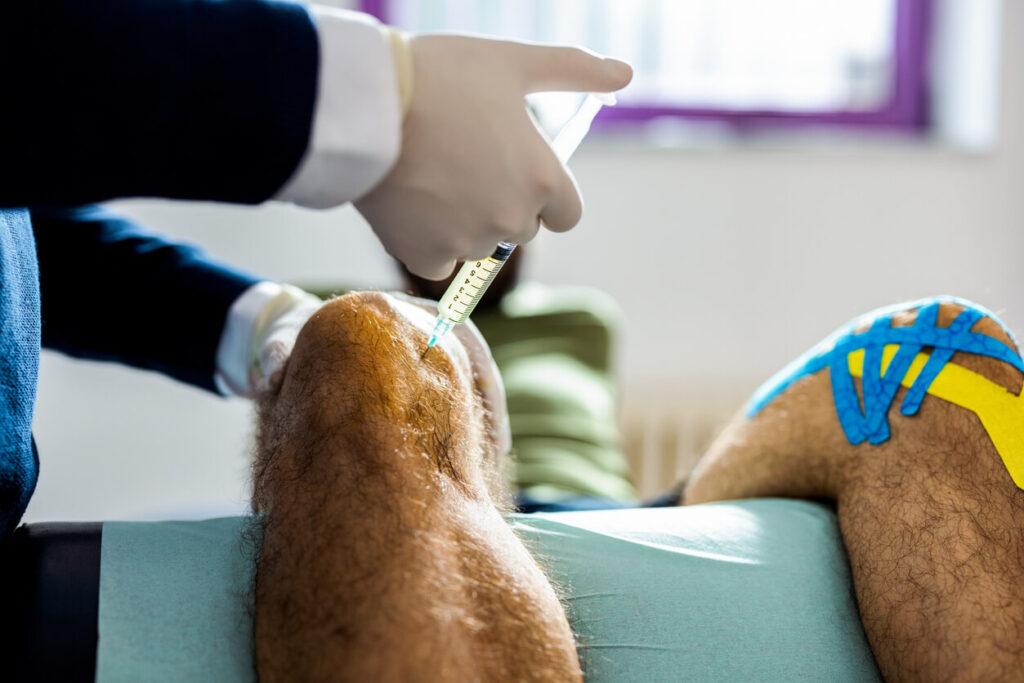
The administration of PRP for sports injuries begins with a standard blood draw from the patient. The blood is then placed into a centrifuge machine that separates platelets from other blood components. This process creates a concentrated platelet-rich solution that is prepared for injection. The injection is delivered directly into the injured area using imaging guidance in many cases. Precision is important to ensure the treatment reaches the targeted tissue. The entire procedure is usually completed within a short clinical visit. It is performed under sterile conditions to reduce risk.
Steps involved in PRP preparation and application:
- Blood sample collection
- Centrifugation to isolate platelets
- Preparation of platelet-rich plasma
- Image-guided injection into injury site
PRP for sports injuries is designed to be minimally invasive while maximizing targeted healing potential. Patients typically return home shortly after the procedure. Medical supervision ensures safety and accuracy throughout the process.
What Happens During a PRP Treatment Session
A typical PRP for sports injuries session begins with a consultation and evaluation of the affected area. The patient’s medical history and imaging results are reviewed to confirm suitability. Blood is drawn and processed during the same appointment. The injection phase is carefully guided to target the exact injury location. Patients may feel mild pressure or discomfort during the injection. The procedure does not usually require anesthesia beyond local numbing techniques. After treatment, patients receive care instructions for recovery.
What patients may experience during the session:
- Mild pressure during injection
- Short treatment duration
- Minimal downtime after procedure
- Return home the same day
PRP for sports injuries is generally considered a convenient outpatient procedure. Most individuals resume light activities shortly afterward depending on medical guidance. Follow-up appointments are often scheduled to monitor progress.
Recovery Timeline After PRP for Sports Injuries
The recovery process after PRP for sports injuries occurs gradually as the body responds to platelet activity. In the early phase, mild inflammation may occur as healing begins. This is followed by tissue repair and regeneration over the next several weeks. Improvements in strength and mobility often develop over time. Recovery speed depends on injury severity, patient health, and adherence to rehabilitation guidelines. Physical therapy is frequently recommended to support healing. Patience is essential as tissue regeneration is not immediate.
Stages of recovery progression:
- Early inflammatory response phase
- Tissue repair and regeneration phase
- Functional improvement phase
- Long-term strengthening phase
PRP for sports injuries supports natural healing rather than providing instant results. Most patients notice gradual improvement rather than immediate relief. Consistency in rehabilitation plays a major role in outcomes.
Benefits of PRP for Sports Injuries in Athletes and Active Individuals
PRP for sports injuries offers several potential advantages for individuals seeking non-surgical treatment options. It uses the body’s own biological material, reducing risk of rejection. Many athletes value its minimally invasive nature and shorter downtime compared to surgery. It can be integrated with physical therapy to enhance rehabilitation. The treatment may also help reduce reliance on long-term medication use. It supports tissue healing in a targeted manner. These factors contribute to its growing popularity in sports medicine.
Key benefits include:
- Natural biological healing approach
- Reduced need for surgical intervention in some cases
- Minimal downtime compared to invasive procedures
- Compatibility with rehabilitation programs
PRP for sports injuries is often selected by individuals aiming to return to activity efficiently. It is not a guaranteed solution for every condition but offers meaningful support in many cases. Its role continues to expand in modern sports recovery strategies.
Limitations and Considerations of PRP Therapy
Although PRP for sports injuries offers promising results, it is not universally effective for all conditions. Individual response can vary depending on the nature of the injury. Some cases may require multiple sessions for noticeable improvement. Severe structural damage may not respond sufficiently to PRP alone. Cost and accessibility may also be limiting factors for some patients. Proper medical evaluation is essential before treatment begins. Expectations should remain realistic regarding outcomes.
Important considerations:
- Variable response among patients
- Not suitable for all injury types
- May require repeat treatments
- Cost may not be covered by insurance
PRP for sports injuries should be viewed as part of a broader treatment plan. It is most effective when combined with rehabilitation and proper recovery practices. Medical guidance is essential for appropriate use.
PRP Compared to Other Sports Injury Treatments
PRP for sports injuries is often compared with other common treatment options such as physical therapy, corticosteroid injections, and surgery. Physical therapy focuses on movement and strengthening, while PRP aims to support biological healing. Corticosteroid injections reduce inflammation but do not promote tissue regeneration. Surgery is typically reserved for severe or structural injuries. PRP may be used when conservative treatments are not sufficient. It is sometimes included as part of a combined treatment approach.
Comparison overview:
- Physical therapy: movement restoration and strengthening
- Corticosteroids: inflammation control
- Surgery: structural repair for severe injuries
- PRP: biological healing support
PRP for sports injuries fits into a modern trend of regenerative medicine. It provides an alternative pathway for individuals seeking less invasive options. Treatment selection depends on clinical evaluation and patient goals.
Who May Be a Good Candidate for PRP for Sports Injuries
Not every individual with a sports injury is automatically suited for PRP for sports injuries. Candidates are typically evaluated based on injury type and severity. Chronic injuries that have not improved with standard treatment may benefit more. Active individuals seeking non-surgical options are often considered suitable. Diagnostic imaging is usually required to confirm eligibility. Overall health status also plays a role in determining suitability. Medical consultation is essential for proper assessment.
Potential candidates include:
- Individuals with chronic tendon injuries
- Patients with partial ligament damage
- Active adults avoiding surgery
- Those unresponsive to conservative treatment
PRP for sports injuries is most effective when applied to well-defined soft tissue injuries. It is less effective for complete tears or severe structural damage. Proper evaluation ensures appropriate treatment planning.
Rehabilitation and Lifestyle Adjustments After PRP
Rehabilitation is an important part of recovery after PRP for sports injuries. Patients are often advised to limit high-impact activity during early healing stages. Physical therapy helps restore strength and mobility. Gradual return to exercise is recommended to avoid reinjury. Nutrition and hydration also support tissue repair. Adequate sleep contributes significantly to recovery outcomes. Consistency in rehabilitation improves overall effectiveness.
Post-treatment recommendations:
- Follow structured physical therapy plan
- Avoid intense activity during early healing
- Maintain balanced nutrition
- Prioritize rest and recovery
PRP for sports injuries works best when combined with disciplined rehabilitation habits. Lifestyle adjustments play a major role in long-term success. Recovery is a collaborative process between treatment and patient effort.
Risks, Side Effects, and Safety Profile of PRP Therapy
PRP for sports injuries is generally considered safe because it uses the patient’s own blood components. However, some mild side effects may occur after injection. These can include temporary swelling, soreness, or stiffness. Serious complications are rare when performed by qualified professionals. Infection risk is low due to sterile techniques. Patients are monitored for any unusual reactions. Proper technique and medical supervision are essential.
Possible side effects:
- Temporary pain or soreness
- Mild swelling at injection site
- Short-term stiffness
- Rare infection risk
PRP for sports injuries maintains a strong safety profile when properly administered. Patients are typically able to resume normal daily activities shortly after treatment. Medical guidance ensures safe recovery.
Advancements in PRP for Sports Injuries and Future Directions
PRP for sports injuries continues to evolve with advancements in medical technology. Improved centrifugation techniques allow for more precise platelet concentration. Imaging-guided injections enhance accuracy and effectiveness. Researchers are also exploring combination therapies with other regenerative methods. Ongoing studies aim to better understand long-term outcomes. Sports medicine continues to integrate PRP into broader treatment frameworks. Innovation remains a key driver in this field.
Emerging developments include:
- Enhanced platelet concentration methods
- Ultrasound-guided injection improvements
- Combination regenerative therapies
- Expanded clinical research applications
PRP for sports injuries is expected to remain a significant part of regenerative sports medicine. Continued research may expand its applications further. Technology improvements will likely refine treatment precision.
Frequently Asked Questions
What is PRP for sports injuries used for most often?
PRP for sports injuries is commonly used for tendon, ligament, and muscle injuries. It supports healing in chronic or overuse conditions. It is also used for joint-related pain in active individuals.
How long does recovery take after PRP treatment?
Recovery time varies depending on injury severity and individual response. Some improvement may be noticed within weeks, while full recovery can take longer. Physical therapy influences overall progress.
Is PRP treatment painful?
Mild discomfort may occur during injection and afterward. Most patients tolerate the procedure well. Any soreness typically resolves within a few days.
How many sessions are needed?
Some individuals may need more than one session depending on injury complexity. Medical evaluation determines treatment frequency. Results vary among patients.
Can PRP replace surgery?
PRP for sports injuries may reduce the need for surgery in some cases. However, severe injuries may still require surgical intervention. It depends on diagnostic findings.
Is PRP scientifically supported?
Research continues to evaluate PRP effectiveness. Many studies show positive outcomes for certain injuries. It is widely used in sports medicine practice.
Takeaway
PRP for sports injuries represents a regenerative approach that supports the body’s natural healing process for muscles, tendons, ligaments, and joints. It is widely used in sports medicine as a minimally invasive option that may reduce recovery time and support rehabilitation efforts. While not suitable for every injury, it offers meaningful benefits when properly applied and combined with structured physical therapy. Patient selection, medical evaluation, and realistic expectations play a key role in outcomes.