
Vaginismus is a condition that can affect physical comfort, emotional well-being, intimate relationships, and overall quality of life. Many individuals struggle with symptoms for months or even years before seeking professional help. Feelings of frustration, anxiety, and uncertainty are common, but effective treatment options are available.
Seeking professional treatment for vaginismus can help address the root causes of symptoms and provide a path toward improved comfort and confidence. Through specialized physical therapy and individualized care, many patients experience meaningful improvements in their daily lives.
Osteopractic Physical Therapy of Central Indiana (OPTCI) is committed to helping patients identify the source of their discomfort and develop personalized solutions that support long-term recovery. Through comprehensive evaluation and targeted rehabilitation strategies, OPTCI helps individuals move toward better pelvic health and improved well-being.
Understanding Vaginismus and Its Impact on Daily Life
Vaginismus is characterized by involuntary contractions of the pelvic floor muscles surrounding the vaginal opening. These muscle contractions can make penetration difficult, uncomfortable, or impossible. Symptoms may occur during sexual activity, tampon insertion, or gynecological examinations.
The effects of vaginismus often extend beyond physical discomfort. Many individuals experience emotional stress, relationship challenges, reduced self-confidence, and anxiety related to intimacy. Some may avoid situations that trigger symptoms, which can further affect their quality of life.
Effective treatment for vaginismus addresses both the physical and functional aspects of the condition. Early intervention often leads to better outcomes and can help individuals regain confidence more quickly.
Common Causes and Contributing Factors Behind Vaginismus
Several factors may contribute to the development of vaginismus. While every patient’s experience is unique, certain causes are commonly associated with the condition.
Pelvic floor muscle dysfunction is one of the most common contributors. Excessive muscle tension can make penetration uncomfortable and trigger protective muscle contractions.
Previous painful experiences during intercourse or medical examinations may also contribute. The body’s natural response to anticipated discomfort can lead to increased muscle guarding and tension.
Anxiety and stress can play a significant role as well. Emotional concerns related to intimacy, fear of pain, or previous traumatic experiences may influence pelvic floor muscle function.
Hormonal changes, childbirth-related injuries, pelvic surgeries, and other medical conditions may also contribute to symptoms. Identifying these factors is an important step when developing an effective treatment for vaginismus.
Signs That It May Be Time to Seek Treatment for Vaginismus
Recognizing symptoms early can help patients receive appropriate care before the condition significantly affects daily life.
Common signs include pain during intercourse, difficulty using tampons, discomfort during gynecological examinations, and persistent fear related to penetration. Some individuals also experience chronic pelvic pain, tightness, or muscle tension throughout the pelvic region.
If symptoms interfere with relationships, emotional well-being, or routine activities, professional treatment for vaginismus may be beneficial. Seeking help early can prevent symptoms from becoming more severe and improve recovery outcomes.
How Osteopractic Physical Therapy Plays a Role in Treatment for Vaginismus
Physical therapy has become an important component of treatment for vaginismus. Rather than focusing solely on symptom relief, physical therapy aims to identify and address underlying factors contributing to the condition.
At Osteopractic Physical Therapy of Central Indiana, therapists perform detailed evaluations to determine how pelvic floor dysfunction, movement patterns, muscle tension, and other physical factors may be affecting symptoms.
Treatment plans are designed around each patient’s specific goals and needs. This personalized approach allows patients to progress at a pace that feels comfortable while working toward meaningful improvements.
A non-surgical and medication-free approach can provide effective results for many individuals seeking treatment for vaginismus.
Comprehensive Evaluation: The First Step Toward Recovery
Successful treatment begins with a thorough assessment.
During the evaluation process, therapists gather detailed information about symptoms, medical history, lifestyle factors, and treatment goals. This helps create a complete picture of the patient’s condition.
A biomechanical assessment may be performed to identify movement restrictions, postural issues, and muscle imbalances that could contribute to pelvic floor dysfunction.
Pelvic floor evaluations may also be conducted when appropriate and with patient consent. These assessments help identify muscle tension, coordination challenges, and functional limitations.
Based on the findings, therapists develop a customized treatment for vaginismus that addresses the patient’s unique needs.
Key Physical Therapy Techniques Used in Treatment for Vaginismus
Pelvic Floor Muscle Relaxation Training
Many individuals with vaginismus experience excessive pelvic floor muscle tension. Relaxation training focuses on helping patients become more aware of these muscles and learn techniques to reduce unnecessary contractions.
Improved muscle awareness often leads to better control, reduced discomfort, and increased confidence during daily activities.
Manual Therapy Techniques
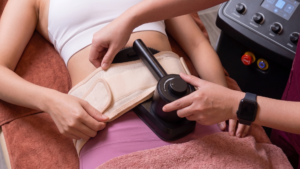
Manual therapy involves specialized hands-on techniques designed to improve tissue mobility and reduce muscle restrictions.
These treatments may help decrease tension throughout the pelvic region while promoting healthy movement and flexibility. Manual therapy is frequently incorporated into treatment for vaginismus as part of a comprehensive rehabilitation plan.
Breathing and Relaxation Strategies
Breathing patterns can significantly influence pelvic floor muscle function. Many patients unknowingly hold tension throughout their bodies, particularly during periods of stress or anxiety.
Therapists often teach breathing exercises that encourage relaxation and help patients develop healthier movement patterns. These strategies can support symptom reduction and complement other aspects of treatment.
Stretching and Mobility Exercises
Limited mobility throughout the hips, lower back, and pelvis can contribute to pelvic floor dysfunction.
Targeted stretching and mobility exercises may help improve flexibility, reduce tension, and support proper muscle function. These exercises are often customized to match each patient’s abilities and goals.
Progressive Desensitization Approaches
Some treatment plans may include gradual desensitization strategies designed to improve comfort and confidence over time.
Progressive approaches allow patients to move forward at a pace that feels manageable. This patient-centered process helps create positive experiences while reducing fear and anxiety associated with symptoms.
Benefits of Seeking Professional Treatment for Vaginismus
Receiving professional treatment for vaginismus offers several potential benefits.
Many patients experience improved comfort during intimacy and daily activities. Better pelvic floor muscle function can contribute to reduced pain and increased confidence.
Treatment may also help address emotional challenges that often accompany the condition. As symptoms improve, patients frequently report reduced anxiety and greater overall well-being.
Additional benefits may include improved flexibility, enhanced body awareness, better movement patterns, and greater confidence during medical examinations.
Long-term management strategies taught during therapy can also help patients maintain progress and prevent future issues.
Why Personalized Care Makes a Difference
No two patients experience vaginismus in exactly the same way. Factors contributing to symptoms can vary significantly from person to person.
A personalized treatment for vaginismus considers each patient’s medical history, physical condition, lifestyle factors, and personal goals.
At Osteopractic Physical Therapy of Central Indiana, treatment plans are adjusted based on patient progress and changing needs. This individualized approach helps maximize results while ensuring patients feel supported throughout their recovery journey.
Customized care often leads to more effective outcomes because treatment addresses the specific factors contributing to symptoms rather than relying on a one-size-fits-all approach.
Lifestyle Strategies That Support Recovery
Physical therapy plays a major role in recovery, but lifestyle habits can also influence progress.
Managing stress is often beneficial because emotional tension can affect pelvic floor muscle function. Relaxation techniques, mindfulness practices, and regular physical activity may support treatment goals.
Open communication with partners can also help reduce anxiety and create a supportive environment throughout recovery.
Consistency is another important factor. Following prescribed exercises and attending scheduled therapy sessions can help patients achieve better results.
Patience is equally important. Recovery timelines vary from person to person, and gradual progress often leads to lasting improvements.
Why Choose Osteopractic Physical Therapy of Central Indiana for Treatment for Vaginismus
Osteopractic Physical Therapy of Central Indiana is dedicated to helping patients identify and address the root causes of their symptoms.
The clinic specializes in comprehensive evaluations that focus on understanding each patient’s unique challenges. Rather than simply managing symptoms, therapists work to uncover contributing factors and develop targeted treatment solutions.
Patients receive individualized care plans designed around their specific goals, medical history, and functional needs.
The team at OPTCI is committed to creating a supportive environment where patients feel comfortable discussing concerns and participating actively in their recovery process.
Through evidence-based care, personalized treatment strategies, and ongoing support, OPTCI helps patients work toward meaningful improvements in pelvic health and quality of life.
Taking the First Step Toward Relief and Recovery
Many individuals hesitate to seek treatment because they feel embarrassed, uncertain, or discouraged by their symptoms. However, vaginismus is a treatable condition, and professional guidance can make a significant difference.
Early intervention often provides the best opportunity for successful outcomes. Working with experienced physical therapists allows patients to receive individualized care designed to address their unique needs.
Choosing treatment for vaginismus can be an important step toward improved comfort, increased confidence, and better overall well-being.
With the right support and treatment plan, many individuals achieve meaningful progress and regain control over their health.
Frequently Asked Questions About Treatment for Vaginismus
What is the most effective treatment for vaginismus?
The most effective treatment for vaginismus often includes pelvic floor physical therapy, relaxation techniques, education, and individualized rehabilitation strategies that address the underlying causes of symptoms.
Can physical therapy help with vaginismus?
Yes. Physical therapy is commonly used as part of treatment for vaginismus. It helps improve pelvic floor muscle function, reduce tension, and increase comfort during daily activities and intimacy.
How long does treatment for vaginismus typically take?
Recovery timelines vary depending on symptom severity, contributing factors, and patient participation. Some individuals experience improvements within weeks, while others may require several months of therapy.
Is treatment for vaginismus painful?
Treatment is designed to be comfortable and patient-centered. Therapists work closely with patients to ensure techniques are introduced gradually and adjusted according to individual comfort levels.
Can vaginismus return after treatment?
Many patients maintain long-term improvements after completing therapy. Continuing recommended exercises and healthy habits may help reduce the likelihood of symptom recurrence.
Do I need a referral before starting pelvic floor physical therapy?
Requirements vary depending on location and insurance coverage. Patients should contact Osteopractic Physical Therapy of Central Indiana for guidance regarding scheduling and referral requirements.
Why should I choose Osteopractic Physical Therapy of Central Indiana for treatment for vaginismus?
Osteopractic Physical Therapy of Central Indiana offers personalized evaluations, evidence-based treatment approaches, and individualized care plans focused on identifying the root cause of symptoms and helping patients achieve lasting results.